- About Project About Project
- Materials Materials
-
Archives
Archives
- Witnesses to the Age
-
Bundesarchiv
-
B 162 Zentrale Stelle der Landesjustizverwaltungen zur Aufklärung nationalsozialistischer Verbrechen
- 1. Generalakten
- 3. Arbeitstagungen der in der BRD mit der Strafverfolgung von NS-Gewaltverbrechen befassten Staatsanwälte und Richter
- 4. Gutachten, Ausarbeitungen und Materialzusammenstellungen zu einzelnen Themenbereichen
- 5. Übersichten über NS-Verfahren in der Bundesrepublik und im Ausland
- 6 Dokumentensammlung
- 7 Strafverfolgung von NS- Tätern durch allierte Gerichte und im Ausland
-
8 Ermittlungsakten
- 8.1 Ermittlungsakten Jahrgang 1958
- 8.2 Ermittlungsakten Jahrgang 1959
- 8.3 Ermittlungsakten Jahrgang 1960
- 8.4 Ermittlungsakten Jahrgang 1961
- 8.5 Ermittlungsakten Jahrgang 1962
- 8.6 Ermittlungsakten Jahrgang 1963
- 8.7 Ermittlungsakten Jahrgang 1964
- 8.8 Ermittlungsakten Jahrgang 1965
- 8.9 Ermittlungsakten Jahrgang 1966
- 8.10 Ermittlungsakten Jahrgang 1967
- 8.11 Ermittlungsakten Jahrgang 1968
- 8.12 Ermittlungsakten Jahrgang 1969
- 8.13 Ermittlungsaken Jahrgang 1970
- 8.14 Ermittlungsakten Jahrgang 1971
- 8.15 Ermittlungsakten Jahrgang 1972
- 8.16 Ermittlungsakten Jahrgang 1973
- 8.17 Ermittlungsakten Jahrgang 1974
- 8.18 Ermittlungsakten Jahrgang 1975
- 8.19 Ermittlungsakten Jahrgang 1976
- 8.20 Ermittlungsakten Jahrgang 1977
- 8.21 Ermittlungsakten Jahrgang 1978
- 8.22 Ermittlungsakten Jahrgang 1979
- 8.23 Ermittlungsakten Jahrgang 1980
- 8.24. Ermittlungsakten Jahrgang 1981
- 8.26. Ermittlungsakten Jahrgang 1983
- 8.29 Ermittlngsakten Jahrgang 1986
- 8.30 Ermittlungsakten Jahrgang 1987
- 8.27. Ermittlungsakten Jahrgang 1984
- 8.36. Ermittlungsakten Jahrgang 1993
- 8.34. Ermittlungsakten Jahrgang 1991
- 8.32. Ermittlungsakten Jahrgang 1989
- 8.33. Ermittlungsakten Jahrgang 1990
- 8.35. Ermittlungsakten Jahrgang 1992
- 8.28. Ermittlungsakten Jahrgang 1985
- 8.31. Ermittlungsakten Jahrgang 1988
- 8.25. Ermittlungsakten Jahrgang 1982
- 8.37. Ermittlungsakten Jahrgang 1994
- 8.25. Ermittlungsakten Jahrgang 1982
- 8.38. Ermittlungsakten Jahrgang 1995
- nicht klassifiziert
- 2. NSG-Verfahren an bundesdeutschen Staatsanwaltschaften und Gerichten aus der Zeit vor dem 1.12.1958
- Ost-Dok 8 "Berichte von Angehörigeb der politischen Führungsschicht aus den ostdeutschen Vertreibnugsgebieten zum Zeitgeschehen von 1939-1945 (Intelligenzberichte)"
-
Ost-Dok 10 Berichte über Verwaltung und Wirtschaft in den reichsdeutschen Gebieten östlich von Oder und Neiße
-
1 Ostpreußen
-
1.1 Verwaltung
- 1.1.1 Allgemeines
-
1.1.2 Staatliche und Reichsauftragsverwaltung
- 1.1.2.1 Allgemeine und innere Verwaltung
- 1.1.2.2 Schulwesen
- 1.1.2.3 Gesundheitswesen
- 1.1.2.4 Wasserwirtschaft und Landeskultur
- 1.1.2.5 Hochbauverwaltung
- 1.1.2.6 Verkehr
- 1.1.2.7 Arbeiz und Soziales
- 1.1.2.8 Wohnungs- und Siedlungswesen
- 1.1.2.9 Wirtschaftsverwaltung
- 1.1.2.10 Landesplanung
- 1.1.2.11 Verwaltungsgerichtsbarkeit
- 1.1.3 Prowincjale Selbstverwaltung
- 1.1.4 Land- und Stadtkreise
- 1.1.5 Memelgebiet vor und nach der Wiedereingegliederung in Ostpreußen
- 1.1.6 Öffentlich- rechtliche Körperschaften und gemeinnützige Institutionen
- 1.1.7 Wehrmacht, Volkssturm, Stellungsbau
- 1.1.8 Sonstiges
-
1.2 Wirtschaft
- 1.2.1 Allgemeines
-
1.2.2 Landwirtschaft, Fischerei, Forsten
- 1.2.2.1 Allgemeines
- 1.2.2.2 Landwirtschaftliche, öffentlich-rechtliche Körprschaften und sonstige zentrale Institutionemn
- 1.2.2.3 Landwirtschaftliches Bildungs- und Beratungswesen
- 1.2.2.4 Landwirtschaftliches Siedlungswesen
- 1.2.2.5 Betriebsverhältnisse
- 1.2.2.6 Bodenverhätnisse und -bewertung
- 1.2.2.7 Pflanzenbau und pflanzliche Erzeugnisse
- 1.2.2.8 Tierzucht und und tierische Erzeugnisse
- 1.2.2.9 Fischerei
- 1.2.2.10 Forsten
- 1.2.2.11 Landwirtschaftliche Genossenschaften und Vereine
- 1.2.2.12 Förderungsmaßnahmen
- 1.2.3 Gewerbliche Wirtschaft
-
2 Pommern
- 2.1 Verwaltung
-
2.2. Wirtschaft
-
2.2.1 Landwirtschaft, Fischerei, Forsten
- 2.2.1.1 Allgemeines
- 2.2.1.2 Landwirtschaftliche öfentlich- rechtliche Körperschaften und sonstige zentrale Institutionen
- 2.2.1.3 Landwirtscaftliches Bildungs- und Beratungswesen
- 2.2.1.4 Landwirtschaftliches Siedlungswesen
- 2.2.1.5 Betriebsverhältnisse
- 2.2.1.6 Bodenverhältnisse
- 2.2.1.7 Pflanzenznbau und pflanzliche Erzeugnisse
- 2.2.1.8 Tierzucht und tierische Erzeugnisse
- 2.2.1.9 Fischerei
- 2.2.1.10 Forsten
- 2.2.1.11 Landwirtschaftliche Genossenschaften
- 2.2.1.12 Sonstiges
- 2.2.2 Gewerbliche Wirtschaft
-
3 Ostbrandenburg
- 3.1 Verwaltung
-
3.2. Wirtschaft
-
3.2.1 Landwirtschaft, Fischerei, Forsten
- 3.2.1.1 Allgemeines
- 3.2.1.2 Landwirtschaftliche öffentlich- rechtliche Körperschaften
- 3.2.1.3 Landwirtschaftliches Bildungs- und Beratungswesen
- 3.2.1.4 Betriebsverhältnisse
- 3.2.1.5 Bodenverhältnisse
- 3.2.1.6 Pflanzenanbau und pflanzliche Erzeugnisse
- 3.2.1.7 Tierzucht und tierische Erzeugnisse
- 3.2.1.8 Forsten
- 3.2.1.9 Landwirtschaftliche Genossenschaftenvvvv
- 3.2.1.10 Sonstiges
- 3.2.2 Gewerbliche Wirtschaft
-
4 Niederschlesien
- 4.1 Verwaltubg
-
4.2 Wirtschaft
- 4.2.1 Allgemeines
-
4.2.2 Landwirtschaft, Fischerei, Forsten
- 4.2.2.1 Allgemeines
- 4.2.2.2 Landwirtschaftliche öffentlich- rechtliche Körperschaften und sonstige zentrale Institutionen
- 4.2.2.3 Landwirtschaftliches Bildungs- und Beratungswesen
- 4.2.2.4 Betriebsverhältnisse
- 4.2.2.5 Bodenverhältnisse
- 4.2.2.6 Pflanzenanbau und pflanzliche Erzeugnisse
- 4.2.2.7 Tierzucht und tierische Erzeugnisse
- 4.2.2.8 Forsten
- 4.2.2.9 Landwirtschaftliche Genossenschaften
- 4.2.3 Gewerbliche Wirtschaft
- 5 Oberschlesien
- 6 Anhang
- Ost-Dok 13 "Berichte über die Tätigkeit der deutschen Verwaltung in den annektierten und okkupierten Gebieten Polens, auch des Baltikums und der Sowjetunion 1939 - 1945"
- DP 3 Generalstaatsanwalt der DDR
- NS 3 SS-Wirtschafts-Verwaltungshauptamt
- NS 4 AU Konzentrationslager Auschwitz
- NS 4 LU Konzentrationslager Lublin
- NS 4 ST Konzentrationslager Stutthof
- NS 6 Partei- Kanzlei der NSDAP
- NS 7 SS- und Polizeigerichte
-
NS 19 Persönlicher Stab Reichsführer-SS
- 1 A Dienststellenverwaltung
- 2 B Reichsführer-SS, Dienststellenleitung, Persönliches Referat, Adjutanturen; Handakten
-
3 C Aufgabenverwaltung
-
3.2 C.2 Allgemeine personenbezogene Vorgänge
- 3.2.1 C.2.1 Sammelvorgänge
-
3.2.2 C.2.2 Einzelvorgänge (A-Z)
- 3.2.2.2 C.2.2.2 B
- 3.2.2.3 C.2.2.3 C
- 3.2.2.4 C.2.2.4 D
- 3.2.2.5 C 2.2.5 E
- 3.2.2.6 C.2.2.6 F
- 3.2.2.7 C.2.2.7 G
- 3.2.2.8 C.2.2.8 H
- 3.2.2.10 C.2.2.10 K
- 3.2.2.11 C.2.2.11 L
- 3.2.2.12 C.2.2.12 M
- 3.2.2.14 C.2.2.14 O
- 3.2.2.15 C.2.2.15 P
- 3.2.2.17 C.2.2.17 R
- 3.2.2.18 C.2.2.18 S
- 3.2.2.19 C.2.2.19 T
- 3.2.2.20 C.2.2.20 U, V
- 3.2.2.21 C.2.2.21 W
- 3.3 C.3 NSDAP, Gliederungen (außer SS), angeschlossene Verbände, Organisation Todt; Reichsarbeitsdienst
- 3.5 C.5 Bezielungen zum Ausland allgemeine Besatzungspolitik
- 3.6 C.6 Allgemeine innere Verwaltung, Raumordung
-
3.7 C.7 Polizei, einschl. SS- und Polizeigerichtsbarkeit, sonstige Gerichtsbarkeit
- 3.7.1 C.7.1 Ordnungspolizei
- 3.7.2 C.7.2 Sicherheitspolizei und SD
- 3.7.2.3 C.7.2.3 Überwachung der NSDAP, ihrer Gliederungen und angeschlossenen Verbände, von Dienststellen des Staates und der Wehrmacht
- 3.7.2.5 C.7.2.5 Abwehr und Bekämpfung von Spionage und Sabotage
- 3.7.2.6 C.7.2.6 Maßnahmen gegen Ausländer und in eingegliederten und besetzten Gebieten
- 3.7.2.7 C 7.2.7 Überwachung der öffentlichen Meinung und Volksstimmung
- NS 20 Kleine Erwerbungen NSDAP
- NS 21 Forschungs- und Lehrgemeinschaft "Das Ahnenerbe"
- NS 23 Sturmabteilungen der NSDAP
- NS 26 Hauptarchiv des NSDAP
- NS 31 SS- Hauptamt
- NS 34 SS- Personalhauptamt
- NS 43 Außenpolitisches Amt der NSDAP
- R 2 Reichsfinanzministerium (PM-Su)
- R 5 ANH Reichsverkehrsministerium.- Sammlung Sarter
- R 6 Reichsmininisterium für die besetzten Ostgebiete
- R 16 Reichsnährstand
- R 16-I Deutscher Reichsbauernrat
- R 19 Hauptamt Ordnungspolizei
-
R 20 Truppen und Schulen der Ordnungspolizei / Chef der Bandenkampfverbände
- 1. Truppen der Ordnungspolizei
- 2. Polizeischulen und Ausbildungsbataillone der Ordnungspolizei
- 3. Chef der Bandenkampfverbände
- Nicht klassifiziert
- R 43-II Reichskanzlei
- R 49 Reichskommissar für die Festigung deutschen Volkstums
- R 50 Organisation Todt
- R 55 Reichsministerium für Volksaufklärung und Propaganda
- R 57 Deutsches Ausland-Institut
- R 58 Reichssicherheitshauptamt
-
R 59 Volksdeutsche Mittelstelle
- 1. Hauptamt
- 4. Amt V Deutschtumserziehung
- 5. Amt VI Sicherung deutschen Volkstums im Reich
- 6. Amt VII Sicherung deutschen Volkstums in den neuen Ostgebieten
-
7. Amt XI Umsiedlung
- 7.1. Organisation
- 7.2 Einsatzführung
- 7.3 Einsatzstab Litzmannstadt
- 7.4 Umsiedlungsaktionen
- 8. Hauptstelle für völkische Schutzarbeit
- R 69 Einwandererzentralstelle Litzmannstadt
-
R 70-POLEN Deutsche Polizeidienststellen in Polen
- 1. Allgemeine Angelegenheiten
- 2. Polizeidienststellen im Reichsgau Danzig-Westpreußen
- 3. Polizeidienststellen im Reichsgau Wartheland
-
4. Polizeidienststellen im Generalgouvernment
- 4.1. Höherer SS- und Polizeiführer Ost
- 4.2. Befehlshaber der Sipo und des SD Krakau
- 4.3. Befehlshaber der Ordnungspolizei Krakau
- 4.4. SS- und Polizeiführer
- 4.5. Kommandeure der Sipo und des SD
- 4.6. Gendarmerie
- 5. Polizeidienststellen in ehemaligen Preußischen Provinzen
- Nicht klassifiziert
- R 75 Umwandererzentrallstelle Posen
- R 102 Distrikt- und Kreisverwaltungen im Generalgouvernement
- R 110 Dienststellen des Zollgrenzschutzes
- R 136 Reichswasserstraßenverwaltung im Reichsgau Danzig und im Memelland
-
R 137 I Justizbehörden in den ehemaligen Reichsgauen Danzig-Westpreußen und Wartheland sowie im Generalgouvernement
- 1. Bromberg (Danzig-Westpreußen)
- 3. Danzig (Danzig-Westpreußen)
- 5. Hohensalza
- 9. Krakau
- 10. Lemberg
- 11. Leslau (Watherland)
- 12. Litzmannstadt (Watherland)
- 16. Posen (Watherland)
- 17. Radom (Generalgouvernement)
- 19. Sieradz (Kraj Warty)
- 22. Thorn (Danzig-Westpreußen)
- 24. Warschau (Generalgouvernement)
- 25. Zoppot (Danzig-Westpreußen)
- 26. Amtsgerichte, Landgerichte
- R 137 V Stammlager Sosnowitz
-
R 153 Publikationstelle Berlin-Dahlem
-
1. Publikationstelle Berlin-Dahlem
- 1.3. Deutsche Ostforschungseinrichtungen
- 1.8. Volks- und grenzpolitische Arbeiten und Auskünfte der Publikationsstelle
- 1.2. Polnische Institute und Forscher
- 1.7. Wissenschaftliche, meist historische Arbeiten und Auskünfte der Publikationsstelle
- 1.4. Deutsche Ostforscher, v.a. Stipendiaten der Publikationsstelle
- 2. Nord- und Ostdeutsche Forschungsgemeinschaft
- R 1501 Reichsministerium des Innern Kommunalabteilung
- R 2301 Rechnungshof des Deutschen Reich
- R 3001 Reichsjustizministerium Generalakten, Teil II
- R 3101 Reichswirtschaftsministerium (Teil 2)
- R 4901 Reichsministerium für Wissenschaft, Erziehung und Volksbildung: Amt Wissenschaft
- R 9361 Sammlung Berlin Document Center (BDC): Personenbezogene Unterlagen der Einwandererzentralstelle (EWZ)
- Bildarchiv
-
The National Archives
-
1. ADM: Admiralty, Naval Forces, Royal Marines, Coastguard, and related bodies
- 1.1 Admiralty, and Ministry of Defence, Navy Department: Correspondence and Papers
- 1.2 Admiralty: Record Office: Cases
- 1.4 Admiralty: War History Cases and Papers, Second World War
- 1.5 Admiralty: Admiralty Experiment Works: Reports
- 1.6 Admiralty: Casualty Branch: Enquiries into Missing Personnel, 1939-1945 War
- 1.7 Admiralty: Royal Navy Registers of Seamen's Services
- 2. DEFE: Records created or inherited by the War Office, Armed Forces, Judge Advocate General, and related bodies
- 3. FCO: Foreign and Commonwealth Office and predecessors
-
4. FO: Foreign Office
- 4.1 Foreign Office: Embassy, Poland: General Correspondence
- 4.2 Foreign Office: Political Departments: General Correspondence from 1906-1966
- 4.3 Records of Embassies, Legations, Consulates, etc.: Foreign Office and Foreign and Commonwealth Office: Embassy and Consulates, Union of Soviet Socialist Republics (formerly Russian Empire): General Correspondence
- 4.4 Records of Embassies, Legations, Consulates, etc.: Legation, Vatican: General Correspondence
- 4.5 Records of Various Second World War Departments: British Mission to the French National Committee: Papers
- 4.6 Records of Various Second World War Departments: War Cabinet: Office of the Minister of State Resident in the Middle East: Registered Files
- 4.7 Records relating to allied administration of occupied territories in post Second World War Europe: Control Office for Germany and Austria and Foreign Office: Control Commission for Germany (British Element), Political Division: Records
- 4.8 Records relating to allied administration of occupied territories in post Second World War Europe: Control Office for Germany and Austria and Foreign Office: Control Commission for Germany (British Element), Prisoners of War/Displaced Persons
- 4.9 Records of the Armed Forces from commands, headquarters, regiments and corps: War Office: Supreme Headquarters Allied Expeditionary Force and 21 Army Group: Microfilms
- 4.10 Cabinet Office, Registered Files, etc.: Cabinet Office and predecessors: Registered Files (1916 to 1965)
- 4.11 German Foreign Ministry Archives: Photostat Copies
- 4.12 Aliens and Immigration, Denization and Naturalisation, Community Relations, Community Programmes and Equal Opportunities Departments: Home Office: Aliens Department: General (GEN) Files and Aliens' Naturalization and Nationality (ALN and NTY Symbol Series) Files
- 4.14 General records of the Government Code and Cypher School: Government Code and Cypher School: Diplomatic Section and predecessors: Decrypts of Intercepted Diplomatic Communications (BJ Series)
- 5. MT: Transport Ministries related bodies, and by the London Passenger Transport Board
- 6. WO: War Office, Armed Forces, Judge Advocate General, and related bodies
- UN Archives
- United Nations War Crimes Commission
-
Archives of Modern Records
-
Regierung des Generalgouvernements
- 1. Staatssekretariat
-
2. Hauptabteilung Innere Verwaltung
- 2.1. Abteilung I Algemeine Staatsverwaltung
- 2.2. Abteilung I Algemeine Staatsverwaltung: Unterabteilung 1 Kirchenwesen,
- 2.3. Abteilung I Algemeine Staatsverwaltung: Unterabteilung 2 Vermessungswesen
- 2.4. Abteilung I Algemeine Staatsverwaltung: Inspektion des Sonderdienstes
- 2.5. Abteilung II Kommunalverwaltung
- 2.6. Abteilung III Beamtenrecht und Organisation
- 2.7. Abteilung IV Bevölkerungswesen und Fürsorge
- 2.8 Abteilung V Strassenverkehr
- 2.9. Abteilung VII Veterinärwesen
- 2.10. Statistisches Amt
- 2.11. Leiter des Flüchtling- und Räumungsstabes
- 2.12. Abteilung VIII Baumdienst
- 3. Hauptabteilung Finanzen
- 8. Hauptabteilung Arbeit
- 9. Hauptabteilung Propaganda
- Konsulat Honorowy RP w Zurychu
- Ambasada RP w Ankarze
- Konsulat Generalny RP w Stambule
- Poselstwo RP w Budapeszcie
- Konsulat Generalny RP w Londynie
- Konsulat Honorowy RP w Nicei
- Poselstwo RP w Meksyku
- Konsulat Generalny RP we Frankfurcie nad Menem
- Robotnicze Towarzystwo Przyjaciół Dzieci. Zarząd Główny w Warszawie
- Stowarzyszenie Humanitarne "Braterstwo B'nei B'rith" w Warszawie
- Urząd Wojewódzki w Tarnopolu 1923–39
- Urząd Wojewódzki w Łucku 1920–39
- Urząd Wojewódzki we Lwowie 1919–1939
- Urząd Wojewódzki w Nowogródku 1922–1939
- Konsulat RP w Buffalo
- Ambasada RP w Bukareszcie
- Konsulat RP w Szczecinie
- Konsulat Generalny RP w Opolu
- Konsulat Generalny RP w Monachium
- Konsulat RP w Lipsku
- Konsulat RP w Hamburgu
- Konsulat Generalny RP w Berlinie
- Konsulat RP w Kłajpedzie
- Konsulat RP w Marsylii
- Konsulat Honorowy RP w Salonikach
- Ambasada RP w Paryżu
- Poselstwo RP w Wiedniu
- Polsko-Amerykański Komitet do Walki z Hitleryzmem
-
Bank Spółdzielczy dla Produktywizacji Żydów z o.u. w Warszawie
- Sprawozdania z działalności
- Kontrola dzialalności
- Finansowanie działalności Banku
- Preliminarze Budżetowe
- Protokóły Walnych Zgromadzeń
- Protokóły posiedzeń Zarządu
- Rejestry członków
- Analizy obrotów i bilanse
- Sprawozdania kasowe oddziałów
- Kredytowanie Spółdzielni
- Pożyczki indywidualne
- Księga pożyczkobiorców
- Sprawozdania Wojewódzkiego Komitetu Żydów W Lublinie
- Organizacja,działalność i likwidacja spółdzielni ''Molbud''
- Listy płac pracowników oddziałów
- Zbiór Podziemnych Druków i Antyhitlerowskich Ulotek
- Zbiór druków niemieckich
- Polski Komitet Wyzwolenia Narodowego w Lublinie
-
Ambasada RP w Berlinie
- Sytuacja wewnętrzna poszczególnych państw - sytuacja wewnętrzna Niemiec
- Sytuacja wewnętrzna poszczególnych państw - partie polityczne w Niemczech
- Sytuacja wewnętrzna poszczególnych państw - organizacje i związki polityczne w Niemczech
- Sytuacja wewnętrzna poszczególnych państw - emigracja polityczna
- Sytuacja wewnętrzna poszczególnych państw - mniejszości, z wyjątkiem polskiej w Niemczech
- Sytuacja wewnętrzna poszczególnych państw - stosunki kulturalne i oświatowe w Niemczech
- Stosunki polityczne Polski - stosunki polityczne polsko-niemieckie
- Stosunki polityczne Polski - akcja antyżydowska w Niemczech
- Stolica Apostolska (Watykan) - stosunki Watykanu z poszczególnymi państwami, z wyjątkiem Polski
- Zagadnienia inne - Palestyna
- Polityka emigracyjna - polityka emigracyjna
- Polityka emigracyjna - ogólne sprawy kulturalne emigracji i mniejszości polskiej w Niemczech
- Polityka emigracyjna - emigracja mniejszości narodowych
- Polacy za granicą - organizacje oświatowe, kulturalne, społeczne ludności polskiej w Niemczech
- Organizacja stosunków dyplomatycznych i konsularnych - paszporty i wizy
- Sprawy budżetowo-rachunkowe - sprawy walutowe
- Międzynarodowy obrót prawny - ekstradycja, głównie obywateli polskich do Polski
- Pomoc prawna
- Sprawy obywatelstwa - wydalanie obywateli polskich i obcych
- Bezpieczeństwo publiczne - aresztowania
- Mniejszości - mniejszość żydowska w Polsce i innych państwach
- Konsulat Generalny RP w Nowym Jorku
- Poselstwo RP w Bernie
-
Ambasada RP w Londynie
- Mniejszości narodowe
- Organizacje i instytucje międzynarodowe
- Zagadnienia specjalne
- Polityka emigracyjna
- Polacy za granicą
- Prasa i propaganda
- Sprawy konsularne
- Instrukcje konsularne, raporty konsulatow, zjazdy konsularne
- Polska Rzeczpospolita
- Sprawy ogólne
- Żydzi
- Sprawy obywatelstwa polskiego
- Bezpieczeństwo publiczne (m.in. działalność komunistow i mniejszości narodowych w Polsce)
- Urząd Wojewódzki w Wilnie 1923–39
- Urząd Wojewódzki w Brześciu nad Bugiem 1923–1939
- Żydowska Socjaldemokratyczna Partia "Poalej Syjon"
- Zbiór odezw organizacji żydowskich
- Socjalistyczna Organizacja Młodzieży CUKUNFT
- Pomoc Polaków dla ludności żydowskiej w okresie okupacji hitlerowskiej - zbiór akt
- Kolekcja Kartograficzna
- Karta Center
- Rahvusarhiiv
- National Archives of Ireland
- Library and Archives Canada
-
Lietuvos Centrinis Valstybės Archyvas
- Urząd Komisarza Rządu na miasto Wilno
- Wileńskie Starostwo Grodzkie
- Magistrat miasta Wilna
- Państwowe Gimnazjum im. Joachima Lelewela w Wilnie
- Koło Studentów Ukraińców Uniwersytetu Stefana Batorego w Wilnie
- Wojewódzki Komitet Wileński Pomocy Polskiej Młodzieży Akademickiej
- Litewskie Towarzystwo Czerwonego Krzyża
- Organizacja Todt (Organisation Todt)
- Baltarusių laikraščių redakcijų dokumentų kolekcija
-
Lietuvos diplomatijos šefas Stasys Lozoraitis
-
Lietuvos diplomatinės tarnybos politinė ir visuomeninė veikla
- Lietuvos diplomatijos šefo ir diplomatų santykiai su VLIK'u
- Lietuvos diplomatijos šefo ir diplomatų bendradarbiavimas su tarptautinėmis organizacijomis ir įstaigomis bei dalyvavimas jų veikloje
- Lietuvos diplomatijos šefo ir diplomatų veikla teikiant pagalbą pabėgėliams bei emigrantams iš okupuotos Lietuvos ir kitų Baltijos valstybių.
- Straipsniai apie Stasį Lozoraitį.
- Brandenburgische Landeshauptarchiv
- Staatsarchiv Hamburg
-
Schweizerisches Bundesarchiv
-
E* Archiv des Schweizerischen Bundesstaates ab 1848
- E10003* Abteilung für Auswärtiges (1915-1946)
- E10105* Bundesanwaltschaft (1889-)
- E10136* Departementssekretariat des eidgenössischen Justiz- und Polizeidepartements (1919-1979)
- E10201* Eidgenössisches politisches Departement (1896-1979)
- E10352* Eidgenössische Justizabteilung (1902-1979)
-
E10448 * Wydział Spraw Politycznych (1950-1973)
- E2001E* Abteilung für politische Angelegenheiten: Zentrale Ablage (1950-1973)
- E10452* Eidgenössische Polizeiabteilung (1902-1979)
- E10491* Schweizerische Vertretung, Asunción (1887-)
- E10965* Oberauditor (1850-1979)
- J* Depositen und Schenkungen ab 1798
- Derzhavnyy arkhiv Cherkas’koyi oblasti
-
Derzhavnyy arkhiv Chernivets’koyi oblasti
- Черновицкий областной инспекторат полиции г. Черновцы. Переписка с Генеральной дирекцией полиции и уездными полициями Буковины о наблюдении за поляками, проживающими на Буковине
- Черновицкий областной инспекторат полиции г. Черновцы. Список польских подданных, имеющих чилийские паспорта, выданные посольством Чили в Румынии
- Квестура полиции г. Черновцы. Бюро сигуранцы
-
Derzhavnyy arkhiv Ivano-Frankivs’koyi oblasti
- Управління Служби Безпеки України по Івано-Франківській області/Uprawlinnia Służby Bezpeky Ukrajiny po Iwano-Frankiwśkij obłasti
- Sąd Powiatowy w Stanisławowie
- Коломийський окружний суд дистрикта Галіції / Kołomyjśkyj okrużnyj sud dystrykta Haliciji
- Станіславський окружний суд / Stanisławśkyj okrużnyj sud
- Коломийське окружне староство / Kołomyjśke okrużne starostwo
- Stanisławskaja obłastnaja komissija sodiejstwija Czriezwyczajnoj gosudarstwiennoj komissii po uczetu uszczerba i złodiejanij, naniesiennych niemiecko-faszystskimi zachwatczikami i ich soobszcznikami
- Станіславське окружне староство дистрикту Галичина / Stanisławśke okrużne starostwo dystryktu Hałyczyna
- Derzhavnyy Arkhiv Zhytomyrsʹkoyi oblasti
- Haluzevyy derzhavnyy arkhiv SBU
-
Archiwum Fundacji Sue Ryder
- Materiały biograficzne o Sue Ryder
- Fundacja Sue Ryder w Anglii
-
Korespondencja Fundacji Sue Ryder
- Korespondencja z mieszkańcami domów Sue Ryder w Anglii
- Korespondencja dotycząca wyjazdów do Anglii
- Korespondencja dotycząca spraw organizacyjnych
- Korespondencja dotycząca spraw finansowych
- Adresy i dzienniki korespondencji
- Korespondencja dotycząca wolontariuszy
- Korespondencja dotycząca wydarzeń kulturalnych
- Korespondencja dotycząca spraw wewnętrznych Fundacji
- Korespondencja z byłymi więźniami obozów koncentracyjnych
- Prośby o pomoc i podziękowania
- Fundacja Sue Ryder w Polsce
- Domy Sue Ryder w Polsce
- Osiedle St. Christopher w Großburgwedel
- Pomoc obcokrajowcom z więzień niemieckich
- Formularze byłych więźniów obozów koncentracyjnych
- Życiorysy byłych więźniów obozów koncentracyjnych
- Wspomnienia i opracowania
- Korespondencja prywatna Sue Ryder
- Materiały prasowe
- Kroniki i księgi pamiątkowe
- Dokumentacja fotograficzna
- Obiekty
- National Archive in Kraków
- Archiwum Państwowe w Częstochowie
- Archiwum Państwowe w Katowicach
- State Archive in Kielce
- State Archive in Lublinie
- Archiwum Państwowe w Łodzi
- Archiwum Państwowe w Radomiu
-
Archiwum Państwowe w Warszawie
- 72_1709_0 Komenda Powiatowa Policji Polskiej Ostrów Mazowiecka
- Zbiór rękopisów
- Urząd Skarbowy w Pruszkowie
- Akta gminy Radzików
- Starostwo Powiatowe w Sochaczewie
- Starostwo Powiatowe w Skierniewicach 1945-1950
- Akta miasta Sochaczewa 1845-1950
-
Starostwo Powiatowe w Ostrowi Mazowieckiej
- Kreishauptmann
- Zusammenarbeit mit anderen deutschen Dienststellen
- Sicherheitspolizei, Aussenstelle Ostrów
- Amt für Innere Verwaltung
- Amt für Innere Verwaltung - Bevölkerungswesen und Fürsorge
- Amt für Innere Verwaltung - Personalamt
- Amt für Innere Verwaltung - Standesamt
- Amt für Innere Verwaltung - Propaganda
- Amt für Innere Verwaltung - Preisuberwachung
- Amt für Innere Verwaltung - Sonderdienst
- Amt für Innere Verwaltung - Strassenverkehrsamt
- Amt für Innere Verwaltung - Kreisarzt
- Amt für Innere Verwaltung - Baudienst
- Amt für Innere Verwaltung - Wohnungsamt
- Quartierleistung
- Amt für Innere Verwaltung - Kassen und Rechnungswese
- Amt für Polizeiangelegenheiten
- Amt für Wirtschaft
- Treuhandwesen
- Amt für Ernährung und Landwirtschaft
- Komisaryczny Burmistrz Warszawy 1939 - 1945
- The Polish Institute and Sikorski Museum
- Instytut Zachodni
- Państwowe Muzeum Auschwitz-Birkenau
- The Polish Underground Movement Study Trust
- Żydowski Insytut Historyczny
- Private archives
- Collections
- Indexes Indexes
- Pilecki Institute
Secured publication
 Movie
Przeździak Jerzy; Przeździak Zofia
How to access the facility?
Access to this material is only available in the library of the Pilecki Institute at ul. Sienna 82 in Warsaw.
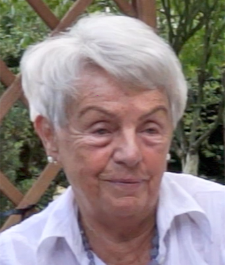
The library is open from 8–16 on Mondays, Tuesdays and Fridays and from 8–19.30 on Wednesdays and Thursdays. An appointment must be made in advance by emailing czytelnia@instytutpileckiego.pl or calling (+48) 22 182 24 75. We also ask that you read the rules for visiting and accessing the collections in advance.Zofia (ur. 1935, Warszawa) oraz jej mąż Jerzy (ur. 1937, Warszawa) Przeździakowie opowiadają o Henryce Obermiller, mamie p. Zofii i teściowej p. Jerzego, Sprawiedliwej wśród Narodów Świata (1981). Henryka Obermiller pomagała ludności żydowskiej w czasie niemieckiej okupacji: dowoziła żywność i pieniądze do getta warszawskiego, załatwiała aryjskie dokumenty. Udzieliła kompleksowej pomocy rodzinie Goldbergów, uciekinierom z getta w Radomiu – przygotowała dla nich fałszywe dowody tożsamości oraz ukrywała ich w swoim mieszkaniu, a potem pomagała znaleźć kolejne kryjówki. Wspierała też uciekinierów z getta warszawskiego, skąd udało jej się wyprowadzić kilkuletniego chłopca Michała Frydmana „Kajtka”. Szczęśliwie przetrwał on wojnę, osiadł w Wielkiej Brytanii i w latach 90. nawiązał kontakt z Zofią i Jerzym Przeździakami.
[00:00:10] Autoprezentacja Jerzego Przeździaka urodzonego w 1937 r. w Warszawie. Boh. w czasie studiów poznał przyszłą żonę, po ślubie zamieszkano w Otwocku, w domu wybudowanym przez teściów.
[00:00:29] Autoprezentacja Zofii Przeździak urodzonej w 1935 r. w Warszawie. Ojciec [Herman] Obermiller był z pochodzenia Niemcem.
[00:00:52] Henryka Obermiller to teściowa Jerzego Przeździaka – poznanie historii rodzinnej. W czasie okupacji Zofia była dzieckiem. Rodzina mieszkała w Warszawie przy ul. Szczęśliwickiej. Przed wojną ojciec był dyrektorem emalierni w Radomiu i rodzinie dobrze się powodziło – pomoc potrzebującym. Ojciec zatrudniał także Żydów – jego stosunek do nich. Rodzice mieli znajomych wśród Żydów – sytuacja w czasie okupacji. W Zielonce koło Warszawy matka miała dom letniskowy, tam też ukrywano Żydów.
[00:03:46] Matka załatwiała aryjskie dokumenty, pomoc Żydom finansował ojciec. Matka pomagała znajomym w getcie, woziła tam żywność. Kontaktowała się z Gutą [Frydman], matką Michała, który urodził się w 1938 r. Matce udało się zabrać z getta Michała, wychodząc powiedziała, że to jej syn. Sen chłopca o matce w czasie likwidacji getta. Ktoś powiedział, że w domu przy Szczęśliwickiej są Żydzi i przyjechało gestapo. Boh. i Michał bawili się w piaskownicy – pytanie zadawane dzieciom. [+]
[00:08:06] Ojciec boh. nawiązał kontakt z ojcem Michała i chłopiec do niego poleciał. Matka podarowała mu „Serce” Amicisa oraz fotografię, na której jest razem z rodziną Obermillerów. Ślad po Michale Frydmanie zaginął. Po latach córka boh. zamieszkała w Anglii, matka szukała informacji o swoim wychowanku i udało się go odnaleźć. Jerzy Przeździak pomagał teściowej przygotować dokumenty i listy [dla Jad Waszem]. W 1981 r. Henryka Obermiller otrzymała medal Sprawiedliwy wśród Narodów Świata.
more...
less